
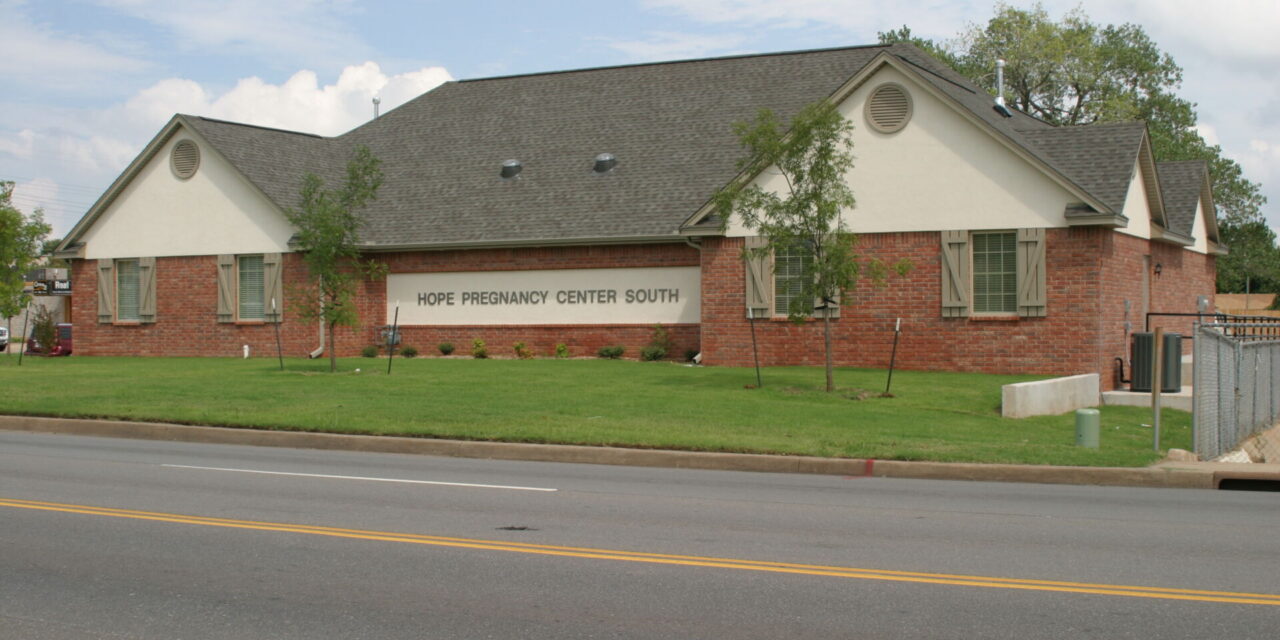
Hope Pregnancy Ministry is a network of seven pregnancy resource centers and a mobile unit that offers pregnancy support services to women across the state who may be facing an unexpected pregnancy. Since its founding 40 years ago, Hope has ministered to tens of thousands of women, and God has used the ministry to save the lives of thousands of unborn children from abortion.
The story of how Hope’s two first clinics began—the first of which was opened in Tulsa around January of 1986 and the second of which opened a few months later in Oklahoma City—goes back decades. And goes back, in large part, to one family’s journey.
A Burden Becomes a Blessing
In 1978 Anthony Jordan and his wife, Polla, heard news that “rocked our world.” After 10 years of trying to conceive, they were told they could not have a biological child.
“Shock and heartache struck us deeply,” Jordan recalls. “In God’s timing, I was a young pastor in Jackson, Mo., and had just been elected to serve on the Board of Managers of the Missouri Baptist Children’s Home. I learned about ministry to young women who were in crisis pregnancies. So, it was short step for us to consider adoption, and in 1979 we welcomed our son, Adrian, into our home.”
On Sept. 11, 1985, the Jordans welcomed their daughter, Alisha, lovingly called “Sissy” by her dad, to their home.
God often uses heartache to move believers to action. Logically, the issue of abortion weighed heavily on Jordan’s heart. After becoming pastor of Oklahoma City, Northwest, the Lord put a fire in his heart with a passion to confront the evil of abortion through positive action for life.
In those days, pro-life supporters gathered outside abortion clinics, peacefully protesting the horror of abortion, praying and confronting those entering the clinic with the hope of changing their minds.
“While I supported that movement, I felt the need to have long-term impact and especially to minister to the people involved in tangible ways,” Jordan said. “In my research, I discovered the ministry of Crisis Pregnancy Centers (CPC) where clear information was given to women, support was offered to help them carry their child to birth, and connection to adoption services was provided if they could not care for a child beyond birth.”
Oklahoma Baptists Step Up
After much research on the CPC approach, Jordan met with Lowell Milburn, special care ministries director for the Baptist General Convention of Oklahoma (BGCO), and some of his staff to discuss Oklahoma Baptists becoming involved in this ministry.
“I found a responsive friend in Lowell Milburn,” Jordan said. “He walked by my side as we reached others who saw the CPC as a viable opportunity to have a positive impact for life and a major deterrent to abortion.”
Soon, they took a trip to see a CPC founded by Euless, First under the leadership of Jimmy Draper.
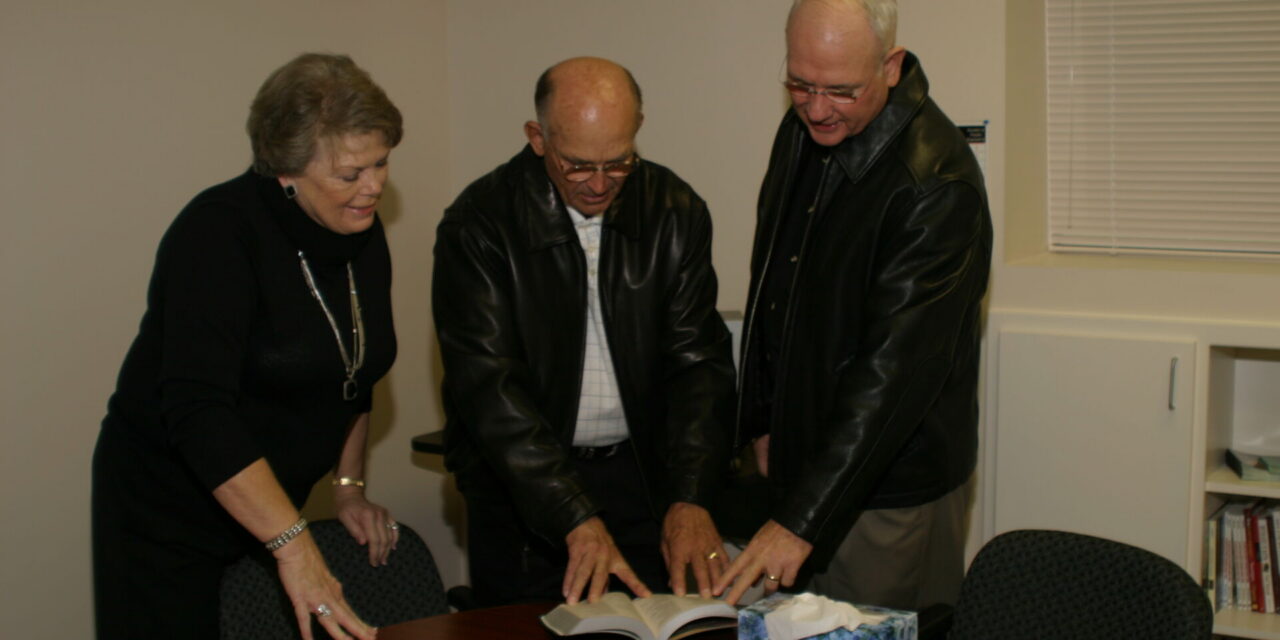
“They were such a great help in giving us information and encouragement to begin this ministry in Oklahoma,” Jordan said. “I reached out to other pastors like Alan Day, Bill Merrill, Charlie Graves, Rod Masteller, Jerry Fielder and others. They were supportive and led their churches to give monthly support to the development of a CPC in Oklahoma City. At the same time, I engaged some pastors and lay leaders in Tulsa who had interest in starting a CPC there.”
Jordan and Milburn met with Joe Ingram, the BGCO executive director-treasurer, who applauded their efforts and committed $25,000 to the work in OKC and Tulsa, where the convention’s first CPC was opened in January 1986.
On April 27, 1986, the Oklahoma City CPC was formally dedicated at 10806 N. May Ave.
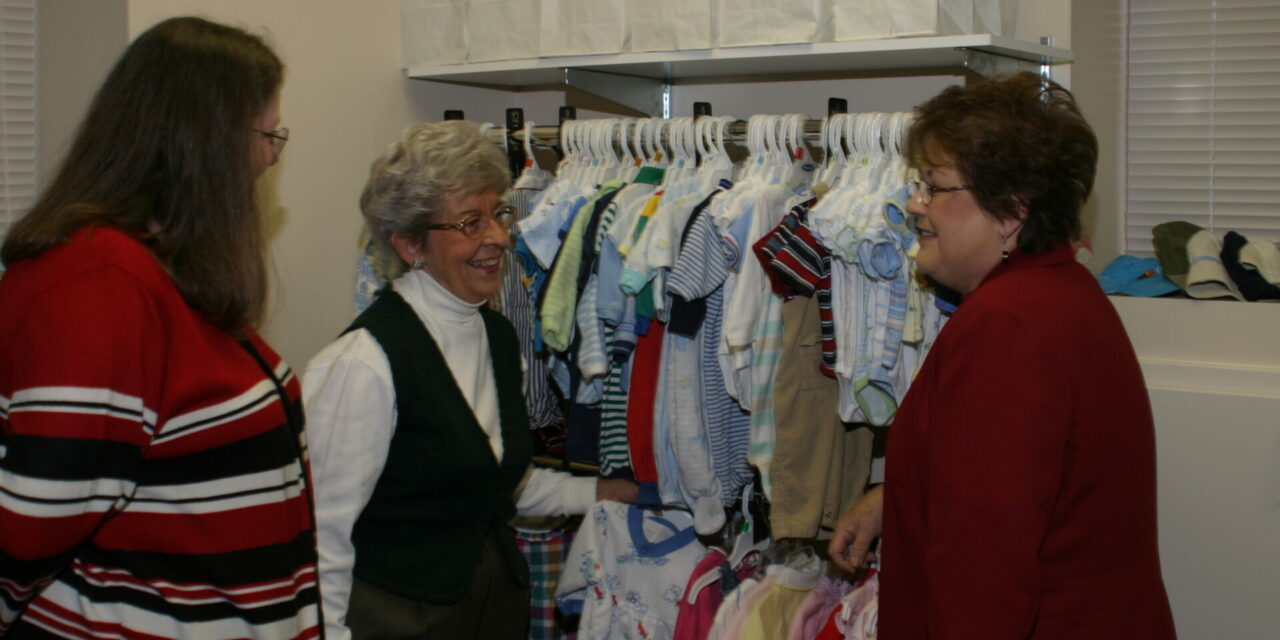
“Many people got involved in the remodeling and preparation of the facility,” Jordan said. “Danna Humphreys led the effort to provide a beautiful, welcoming and comfortable environment for women coming to the clinic.”
Volunteer counselors were recruited and trained. Sylvia Boothe, a former IMB missionary, became the first director of the CPC.
The CPC movement and Oklahoma Baptists involvement in the pro-life cause was accelerated in November 1985. God in his providence prompted Rod Masteller, president of the Oklahoma Pastors Conference to ask Jordan to speak at the conference.
“The ending of my sermon touched people beyond the words and left the crowd in tears. I had my wife bring our 5-month-old daughter to the stage and stand beside me. I spoke of Oklahoma Baptists’ ministry to unwed mothers. How the mother had chosen life for her baby rather than death through abortion.”
“‘Abortion for me is not just a sermon,’ I said. ‘I oppose abortion for a very personal reason. You see, this little girl before you was saved from being torn from her mother’s womb and destroyed through abortion because of the ministry of Oklahoma Baptists. Oklahoma Baptists loved the Catholic girl who reached out to them on an abortion hotline. She chose life for her little girl. This little baby you see is my baby girl! She joins her adopted brother in our family. My closing word is simple; as long as I have a voice and breath in my lungs, I will stand against abortion and
stand for life.’”
A Network of Hope
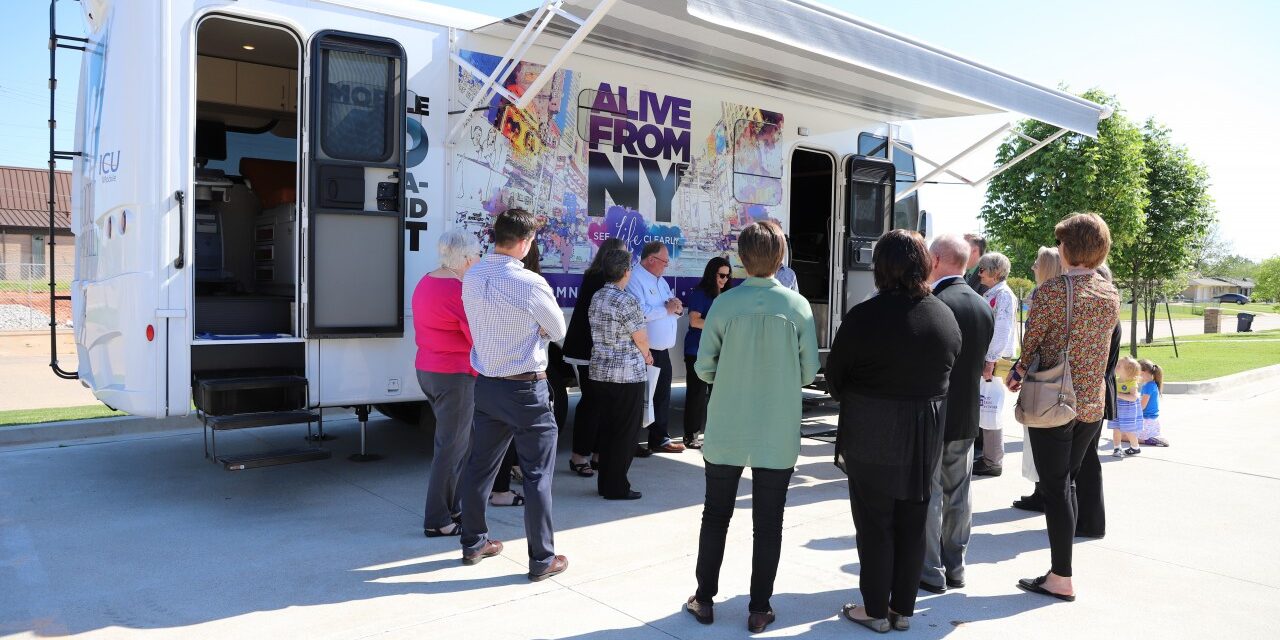
Today, there are HPCs across the state of Oklahoma in Alva, Ardmore, Edmond, Oklahoma City (2), Shawnee and Tulsa. In 2020, the 27-foot RV Patty Ann Mobile Ministry Unit began serving women in the Oklahoma City metro area who are unable or unlikely to come to a brick-and-mortar center.
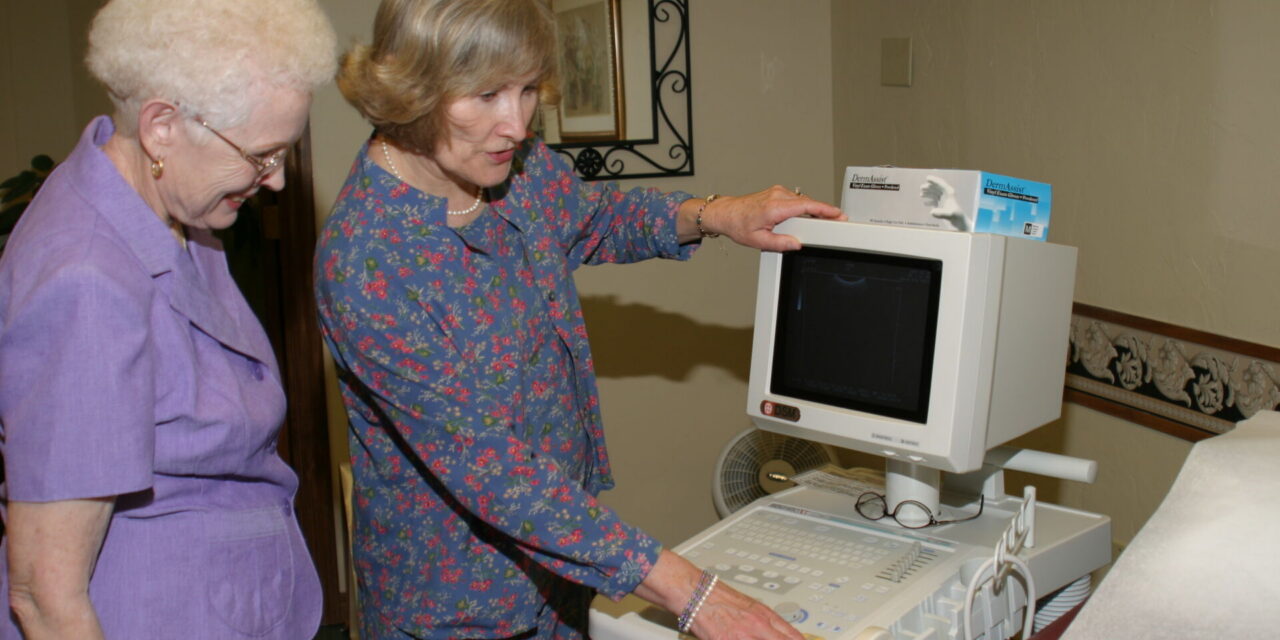
“In more recent decades, the name Crisis Pregnancy Center was changed to Hope Pregnancy Center,” said Gayla White, Hope Pregnancy Ministries Executive Director. “Hope is what makes the difference between a choice for abortion and a choice for life. Staff and volunteers offer hope by sharing truth in love with people in hard circumstances– the truth of fetal development, the truth about abortion, the truth of a heartbeat on ultrasound and the truth of a God who sees and loves them and has a plan for their future and their child’s future.”
Since 1986, Oklahoma Baptists’ HPCs have served 54,820 clients; provided 21,928 ultrasounds; and seen 3,832 people accept Jesus Christ as Lord and Savior.
Perhaps most amazingly, 13,468 babies have been born to mothers who visited one of Oklahoma’s CPCs, according to White.
“The number is surely higher, but it only represents the babies we know were born because their parents responded when we called after their due date and those who participated in parenting classes until or after their babies were born,” White said. “If we knew the outcome for each client, it would likely be three times this number.”
“This did not happen because of one man,” Jordan emphasized. “God may have given me the vision to act, but many important individuals played a significant role in seeing it to where it is today.”
Hope Pregnancy Ministries is a ministry of Oklahoma Baptist Homes for Children. To find out how you can become a volunteer, or support the ministry, visit obhc.org/hope.